Akua Abrah, MPH, MS

Nominated From: University of Michigan & Case Western Reserve University
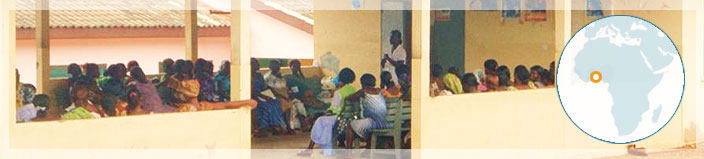
Research Site: Suntreso Government Hospital
Research Area: Neonatal Health
Primary Mentor: Dr. Cheryl Moyer
Research Project
Newborn screening and monitoring for glucose-6-phosphate dehydrogenase deficiency in Ghana
Glucose-6-phosphate dehydrogenase (G6PD) deficiency is the most common enzyme deficiency in humans and predisposes at-risk newborns to severe neonatal jaundice (SNJ) and kernicterus. Kernicterus is brain damage that can be fatal or lead to long-term neurological impairment like cerebral palsy. It is a major contributor to neonatal mortality in Ghana, where G6PD deficiency prevalence may range from 6.5-19%. The World Health Organization recommends screening for all populations where prevalence is greater than 5% but there is currently no standard newborn screening program in Ghana to detect and follow at-risk infants. Our study proposes a screening study of G6PD deficiency among neonates born at Suntreso Government Hospital (SGH), a district hospital in Kumasi. The study will determine the incidence of G6PD deficiency and its correlation with neonatal jaundice in approximately 500 newborns at SGH. In addition, it will explore integrating G6PD screening into routine neonatal care in Ghana by assessing the cost-effectiveness of screening and qualitatively gathering insights from healthcare providers on the challenges and opportunities for implementation. Through early identification of at-risk infants, this project seeks to contribute to the reduction of severe jaundice and kernicterus, ultimately improving neonatal outcomes in Ghana.
Research Significance
One study showed that SNJ remains the major and most preventable cause of cerebral palsy in children attending a tertiary neurology clinic in Ghana. Thus, our study can inform next steps of care that could impact life-long outcomes through the prevention of significant neurological disorders. Assessing the cost-effectiveness of screening and the capacity to provide appropriate counseling to parents and providers can also have far-reaching impact in other G6PD high-prevalence countries with health systems often limited by resource constraints. High-income countries like the United States (US) also face various screening challenges, particularly among underserved populations. Insights from this study may be used to enhance screening methods that will improve access to equitable care in the US.
Publications
Mentors


