Program Overview
The Fulbright-Fogarty Fellowship in Public Health is a partnership program between the Fulbright U.S. Student Program and the Fogarty International Center of the National Institutes of Health. This unique opportunity combines the cultural engagement elements of the Fulbright fellowship with the research training, mentorship, and professional development opportunities available through the Fogarty LAUNCH fellowship. It is open to U.S. medical and graduate students who are interested in conducting global health research.
All aspects of the Fulbright-Fogarty fellowship application process—including eligibility, the application deadline, and the award notification—are managed by the Fulbright Program. To apply, please go to the Fulbright Program website.
Following the Fulbright Program’s review, Fulbright-Fogarty fellowship awardees are incorporated into one of the Fogarty LAUNCH consortia and will engage with that consortium throughout the fellowship period. The particular consortium designation is based on the Fulbright-Fogarty fellow’s study site location and the mentors involved. Those conducting research in Ghana, Nepal, Peru, Thailand, or Uganda may be placed with our NPGH LEADERs consortium.
Although Fulbright-Fogarty fellows are integrated into a LAUNCH consortium, there are differences between the Fulbright-Fogarty fellowship and the LAUNCH fellowship. Fulbright-Fogarty applicants who expect they would be placed with NPGH are strongly encouraged to communicate their interest in the program with our NPGH program staff well in advance of the Fulbright Program application deadline, as well as to communicate their interest with the site contacts listed on the country pages of the Fulbright Program’s website.
More information on the Fulbright-Fogarty fellowship can be found using the links in the Additional Resources section below. Please also feel free to contact us with any questions or to reach out to some of the NPGH Fulbright-Fogarty alumnae to hear more about their experiences.
NPGH Fulbright-Fogarty Fellow Testimonials
Neha Balapal
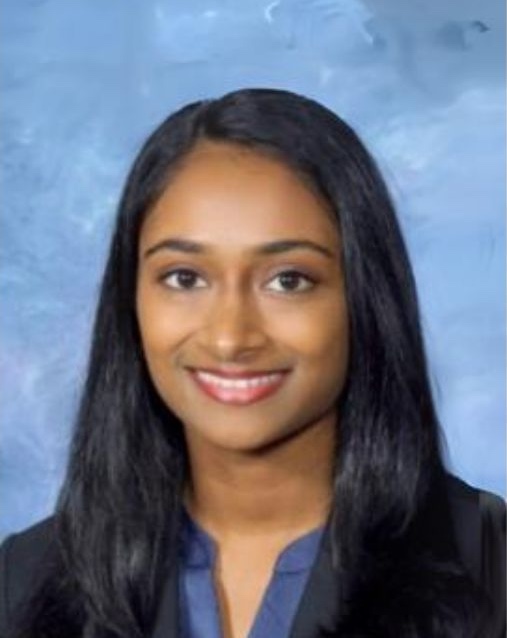
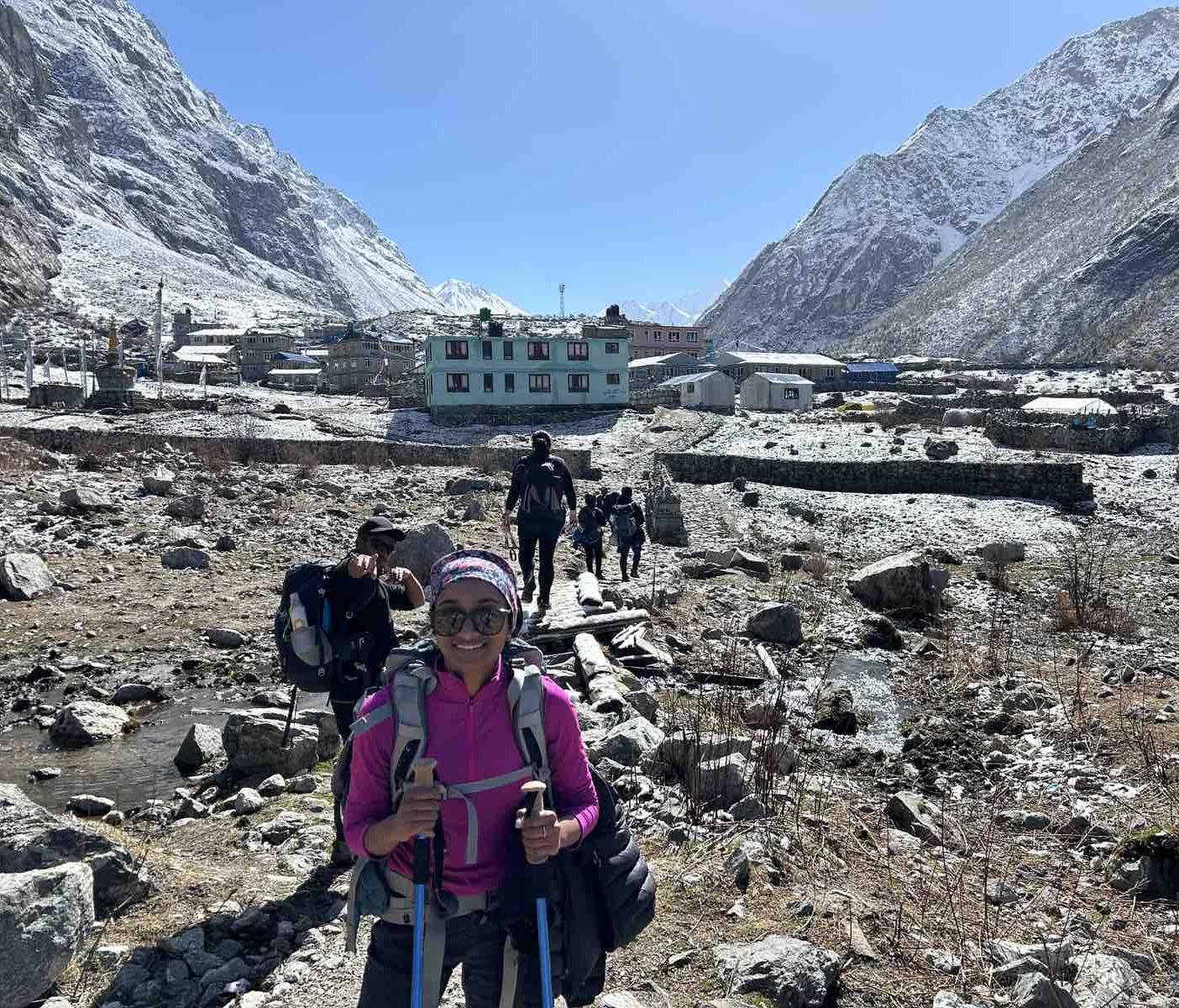
Neha Balapal spent her fellowship year at Kathmandu University School of Medical Sciences in Dhulikhel, Nepal under the mentorship of Dr. Archana Shrestha, MPH, PhD and Dr. Annette Fitzpatrick, PhD. Her research project evaluated perceptions of Ayurveda and allopathy in Nepal, and integration of Ayurveda for cardiovascular disease prevention. Ms. Balapal is a medical student at CUNY School of Medicine where she has had unique educational experiences focused on health disparities. Therefore, she hopes to become a family medicine physician and is passionate about providing compassionate, culturally competent healthcare to medically underserved communities.
Fulbright-Fogarty Experience:
“The Fulbright-Fogarty program is uniquely special as it is designed for the needs of predoctoral students; it provides the camaraderie and rigorous in-country support of a traditional Fulbright program with the added benefit of mentorship and educational support of being a part of a Fogarty consortium. While a traditional Fulbright may not always seem feasible while in the middle of a doctoral degree, and a Fogarty fellowship may feel overwhelming as a student still building independent research experience, this program offered an ideal combination that tailored to my needs. I was able to get the best of both worlds and be surrounded by other predoctoral students with similar career stages and life goals, something that helped me personally develop new lifelong friendships! I have had an immensely positive experience as a Fulbright-Fogarty fellow and gained unique exposure to global health by very welcoming leaders and mentors. This experience has inspired me to consider pursuing a career in global health.”
Morgan Yapundich
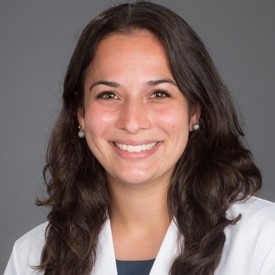
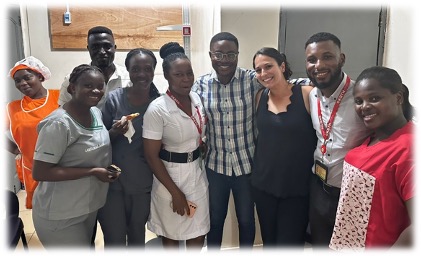
Morgan Yapundich spent her fellowship year at Korle-Bu Teaching Hospital in Accra, Ghana working under the mentorship of Professor Samuel A. Oppong in the Obstetrics and Gynaecology Department. Her research focused on exploring the scope of patient health literacy concerning their condition of sickle cell disease in pregnancy, with hopes of informing the development of novel educational tools to implement in the antenatal clinic. Morgan is currently a fourth-year medical student at Wake Forest University School of Medicine. After completing the Fulbright-Fogarty fellowship, she plans to finish medical school and apply for OB-GYN residency. Ms. Yapundich plans to devote her career to improving the access and quality of reproductive health care across the globe. She previously decided to pursue a career in medicine during her post-baccalaureate fellowship at the National Institutes of Health studying sickle cell disease under her mentor, Dr. John Tisdale. She further found a passion for reproductive health and global health during her first three years of medical school, which led her to merge all her interests into the project she chose to carry out during her Fulbright-Fogarty fellowship.
Fulbright-Fogarty Experience:
“The Fulbright-Fogarty Fellowship Program was the perfect fit for a young professional at my level of training. In addition to providing opportunities to engage in rigorous academic research, the combined program emphasized the importance of cultural immersion and exchange outside of research. Furthermore, the program’s length of time (9-months long) was just the right amount for doctoral students who were taking time out of the typical academic curriculum to complete such a fellowship. Most importantly, through the combined program, I was able to further expand my network through the people I met with the Fulbright Commission and Fogarty International. The connections I made in both programs were invaluable, and I am so grateful for them.”
Lindy Reynolds
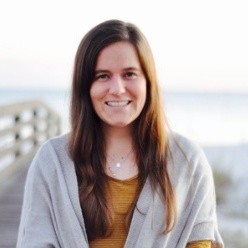
Lindy Reynolds spent her fellowship year at Kathmandu University School of Medical Sciences in Dhulikhel, Nepal under the mentorship of Archana Shrestha, MPH, PhD. Her research focused on Geospatial analysis of cardiovascular disease & pre-hospital care trends in central Nepal. Ms. Reynolds is a Graduate Research Assistant at the University of Alabama at Birmingham. Her goal is to work at the intersection of research & policy to advance progress towards reducing the burden of injury in LMIC by conducting research that aids in the development of emergency medical systems. Improving post-injury care will lead to better patient outcomes & reduced morbidity and mortality. Ms. Reynolds’ interest in global health began in undergrad where she had the opportunity to study social determinants of health in the context of the HIV epidemic in Botswana. Following the completion of her master’s degree, she had the opportunity to work at the World Health Organization where she learned the importance of collaboration between people with research expertise & people with policy & implementation expertise which influenced her current career path.
Fulbright-Fogarty Experience:
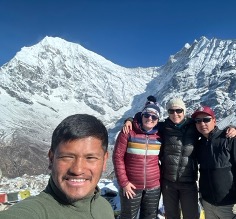
“I came across the opportunity because I had seen an email flyer from the global health center at my university and attended their information session about the Fulbright-Fogarty Fellowship. The opportunity piqued my interest because I wanted to become more involved in global health work than what I was currently doing. It aligned well with where I was in my PhD program and would provide me with invaluable hands-on experience in project management that cannot be obtained elsewhere. Specifically, I was interested in the research mentorship and support from Fogarty, but I was also excited about the emphasis Fulbright places on cultural exchange. My experience as Fulbright-Fogarty Fellow has been an overall amazing experience. I enjoyed networking with fellows from other consortia at the orientation at NIH prior to the start of the fellowship, have formed many relationships with my peers over the course of my fellowship within the NPGH consortium that have developed into collaborations on additional projects, and have learned so much from my Nepali mentors as well as the PIs in NPGH. Outside of work-related things, the community in Nepal welcomed us with open arms and everyone was so friendly to us. People were quick to invite us over for home cooked meals, help us get settled into life in Nepal and just overall looked out for us. This is one of the main reasons I had such a great fellowship experience!”
Additional Resources
Neha Balapal – Alumna
Email: nbalapa000@csom.cuny.edu
Dinasha Dahanayake – Alumna
Email: dinasha.d@berkeley.edu
Lindy Reynolds – Alumna
Email: lmreynolds@uabmc.edu
Christina Park – Alumna
Email: cpark5@uw.edu


